From Non-Verbal to Mainstream Ready:A.L.R.I.T.E®Builds Foundational Neural Pathways

Mainstream classrooms expect readiness that neurodivergent children haven't developed yet. Our 7-Stage Neuroplasticity Framework and Gut Wellness Programme bridge the gap to equip children with attention, speech, communication, learning readiness and executive function skills.

Visual pathway showing child assessment, 7-stage neuroplasticity framework, and mainstream school readiness at Alrite Autism Centre
0+
Mainstream & PPKI Transitions
0+
Structured Lesson Plans
0+
Gut Wellness Case Studies
0-Stage
Neuroplasticity Engine

Why Mainstream Preschools Fail Unprepared Children (...And How A.L.R.I.T.E® Bridges the Gap)

Pushing a child into a standard classroom before their nervous system is ready leads to constant crying, sensory overload, and behavioural frustration. We build the neural bridge first.

Classroom Expectation
Traditional Route

Demands immediate compliance, quiet focus, and social integration.

The ALRITE Pathway

Teaches foundational self-regulation and executive attention first.

Sensory & Behavioural
Traditional Route

Sensory overload triggers frequent meltdowns, crying, and withdrawal.

The ALRITE Pathway

Addresses gut-brain axis and mid-brain stimulation to calm the nervous system.

Skill Acquisition
Traditional Route

Child falls behind uniform, fast-paced group lesson plans.

The ALRITE Pathway

Customised 7-Stage Framework with 3,000+ targeted skill modules.

Long-Term Outcome80+ Transitions
Traditional Route

Risk of permanent IEP dependency or school rejection.

The ALRITE Pathway

Proven Transitions into mainstream preschools or primary classrooms.

Our Integrated & Developmental Approach

Three integrated pillars - combining neural stimulation, gut health, and milestone transition - working together to prepare your child for learning readiness.

Pillar 1

7-Stage Neuroplasticity Engine

We don't just manage symptoms, we stimulate mid-brain neural pathways to build executive function, working memory, and language processing. This rewires brain pathways to improve a child's focus and communication skills.

Cognitive & Motor Rewiring
Pillar 2

Gut-Brain Axis & Gut Wellness

Gut health imbalances can affect mood, focus, and speech activation. Our Gut Wellness Programme targets systemic health to create an optimal foundation for cognitive learning.

Systemic Health & Sensory Calm
Pillar 3

Mainstream Readiness Track

A structured, milestone-driven pathway that transitions your child step-by-step from individual intensive support to group classroom compliance.

School Transition Pathway

Alrite Autism Frontier Programme (AAFP)

The 7-Stage ALRITE Neuroplasticity Framework

This is the Alrite Autism Frontier Programme (AAFP), ALRITE's record-holding programme. Our proprietary 7-stage developmental framework guides your child through a structured, evidence-based pathway - from foundational sensory processing to confident classroom participation.

Malaysia Book of Records 2025350+ Educators Trained
1

Structured Workstation

Establishing baseline sensory processing and neural readiness through structured stimulation.

2

Core Skills

Connecting mid-brain pathways to improve coordination, balance, and physical awareness.

3

Fine Motor

Developing dexterity and precision to support writing, drawing, and self-care skills.

4

Communication & Language

Activating speech and language processing through targeted neural pathway stimulation.

5

Social Skills

Developing the foundational skills for reading social cues, sharing attention, and peer interaction.

6

Life Skills

Building essential life skills for independence and daily functioning.

7

Pre-Academic

The culmination: transitioning from intensive individual support to confident mainstream classroom participation.

Every child's journey starts at a different stage

Find out exactly where your child's developmental baseline is, and what the clear path forward looks like.

See which stage your child is at

Structured Milestones

The Entry Pathway to Unlocking Your Child's Potential

Every child starts at a different baseline. Our 8-stage roadmap provides a clear, measurable trajectory from early intervention to independent classroom life.

1
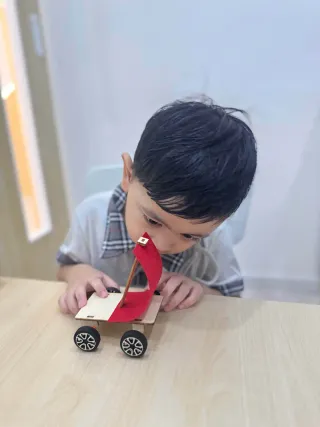
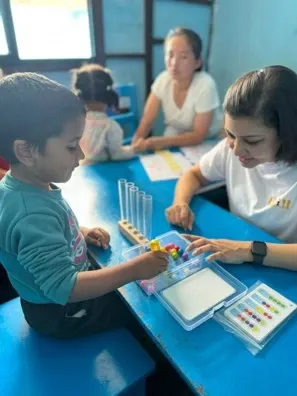
Student working on neuro stimulation therapy exercises
Stage 01

Neuro Stimulation Therapy

Mid-Brain Activation

Awakens neural pathways using targeted sensory exercises to build foundational attention and focus before academic learning begins.

2
One-on-one developmental discovery session
Stage 02

Developmental Discovery

Individual Baseline Mapping

A comprehensive 30-day assessment phase to pinpoint your child's exact sensory triggers, motor capabilities, and communication gaps.

3
Child engaging in early intervention therapy
Stage 03

Early Intervention Programme

Core Skill Building

Intensive 1-on-1 therapy addressing speech delays, emotional regulation, and daily compliance.

4
Guided sensory-motor engagement session
Stage 04

Pre-Transition Programme

Motor & Group Dynamics

Introduces physical coordination, sensory integration, and small-group instruction environments.

5
Interactive group social engagement
Stage 05

Transition Programme

Peer Interaction & Communication

Shifts focus to active socialization, interactive learning tools, and vocalization during shared tasks.

6
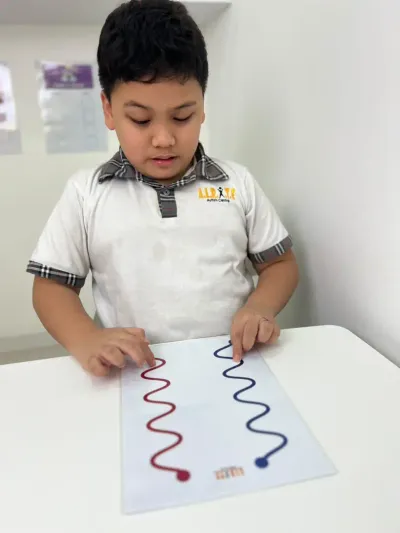
Student working on pre-academic cognitive tasks
Stage 06

Bridging Programme

Pre-Academic Readiness

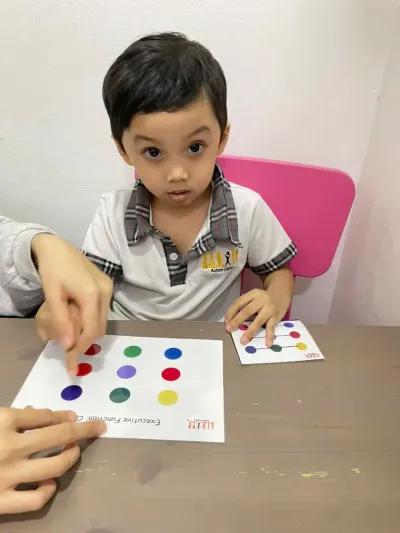
Focuses on working memory, problem-solving skills, and executive function necessary for structured desk work.

7
Group learning setup mirroring preschool routines
Stage 07

School Transition Programme

Mainstream Classroom Simulation

Replicates real classroom expectations, including listening to teacher instructions, group transitions, and independent task completion.

8
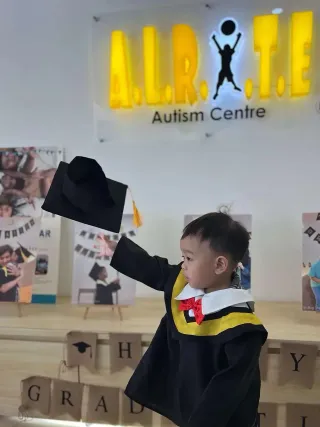
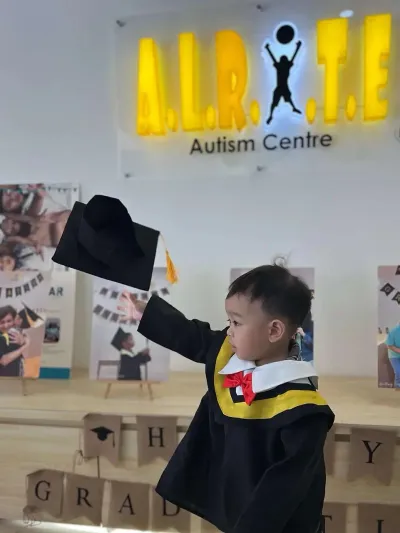
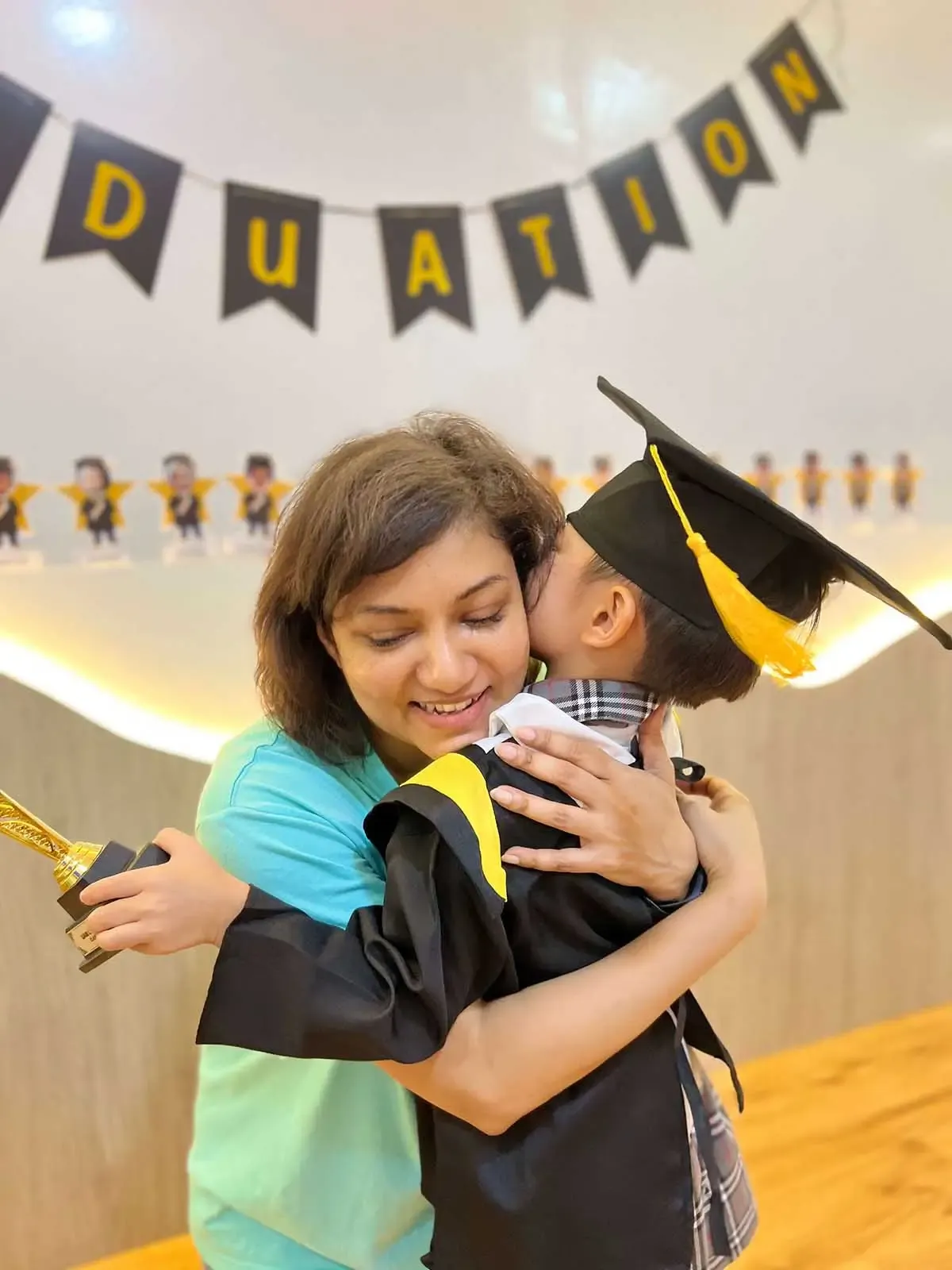
Graduation celebration and school transition milestone
Stage 08

Venture into School Life

Full Integration & Graduation

The ultimate goal: your child successfully enters mainstream preschool or primary school equipped with self-regulation and confidence.

Every child's journey starts at a different stage

Find out exactly where your child's developmental baseline is, and what the clear path forward looks like.

See which stage your child is at
Mishantini Sanderasagran, Founder and Director of Alrite Autism Centre
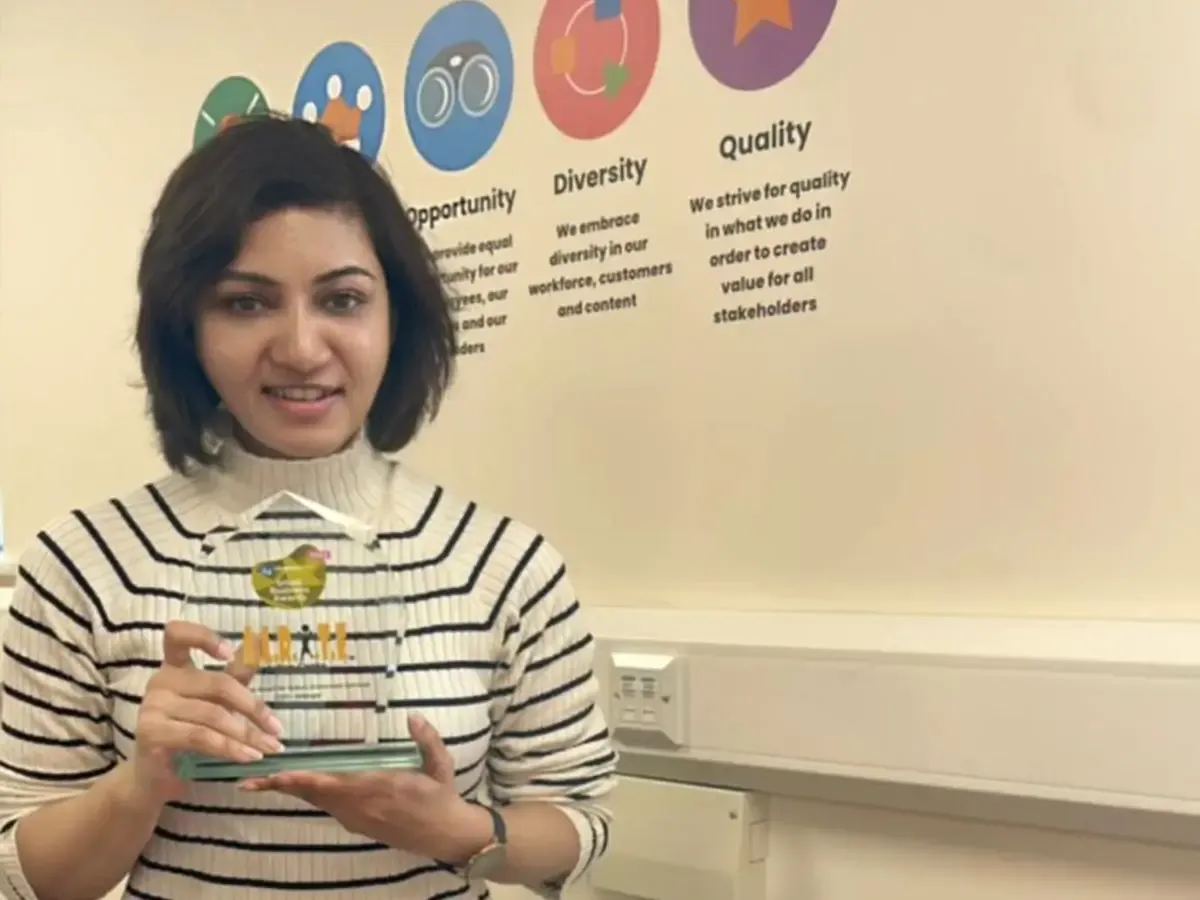
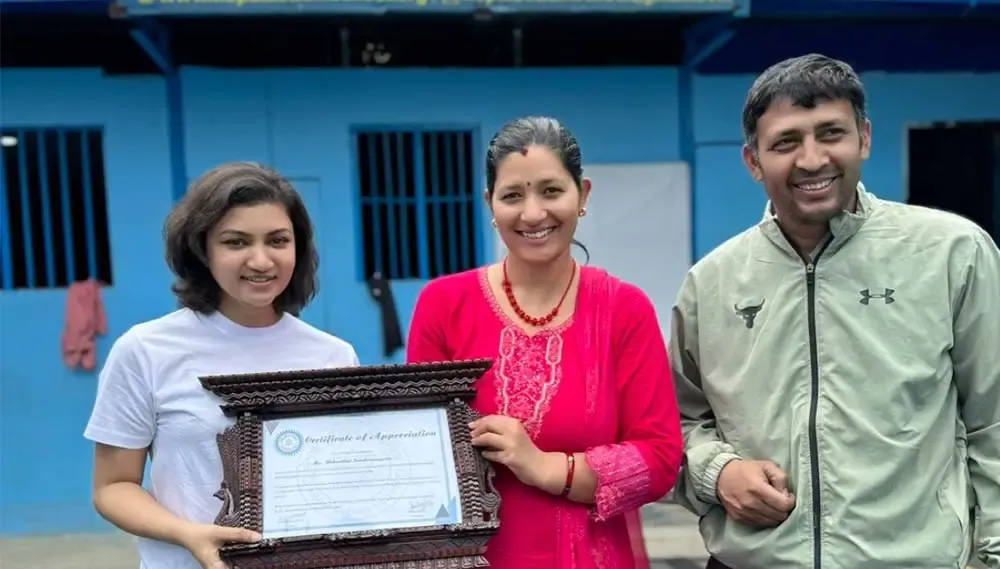
Mishantini Sanderasagran holding the Excellence Award for Autism Enrichment Services (UK)Excellence Award for Autism Enrichment Services
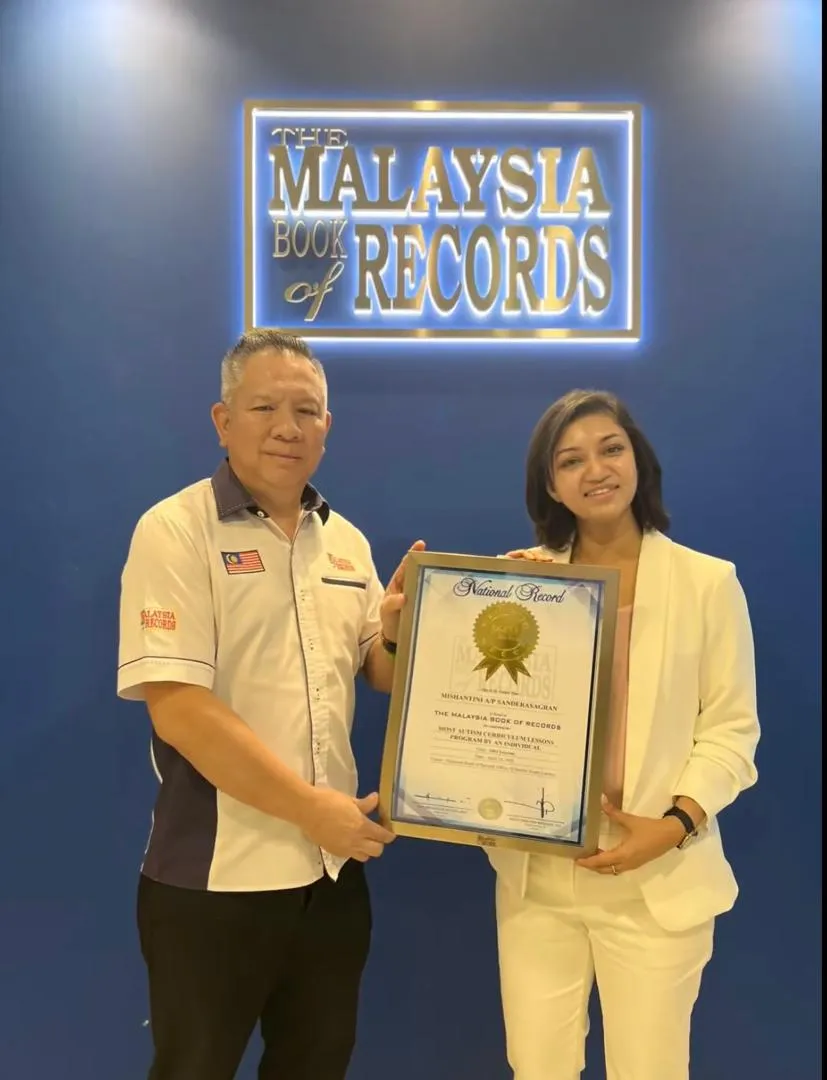
Mishantini Sanderasagran with the Malaysia Book of Records recognition for the most autism curriculum lessons by an individualMalaysia Book of Records, 2025
Malaysia Book of Records · 2025

Meet Mishantini Sanderasagran

Founder & Director · Alrite Autism Centre, Est. 2012, Subang Jaya

For over 20 years, Mishantini has worked at the intersection of autism education and behavior analysis, building developmental curriculums that meet each child where they are. As a Board Certified Behavior Analyst (BCBA), she leads every ALRITE programme with a measurable standard of evidence-based practice.

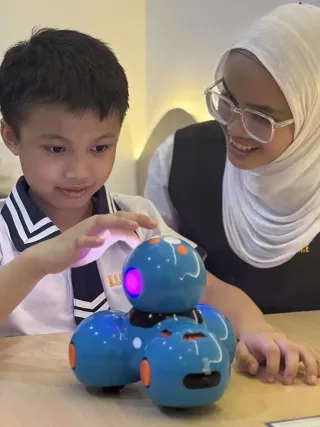
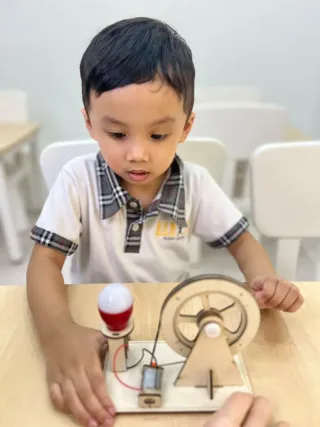
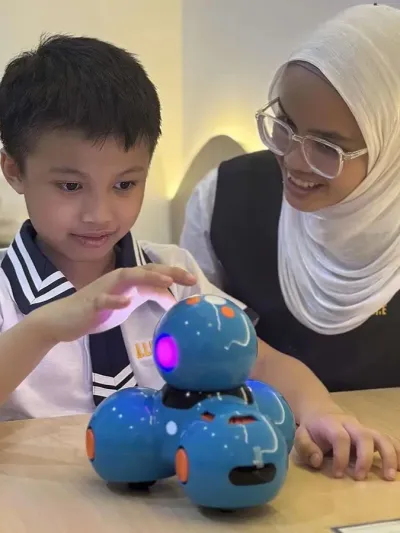
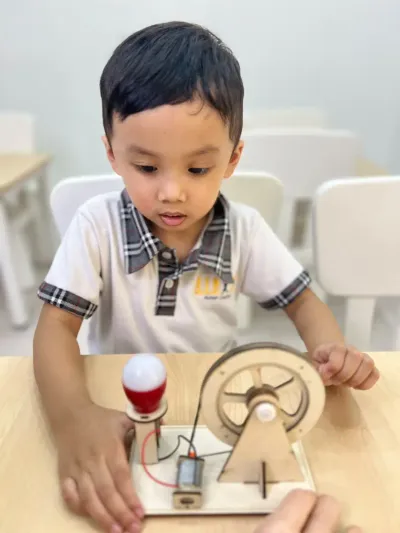
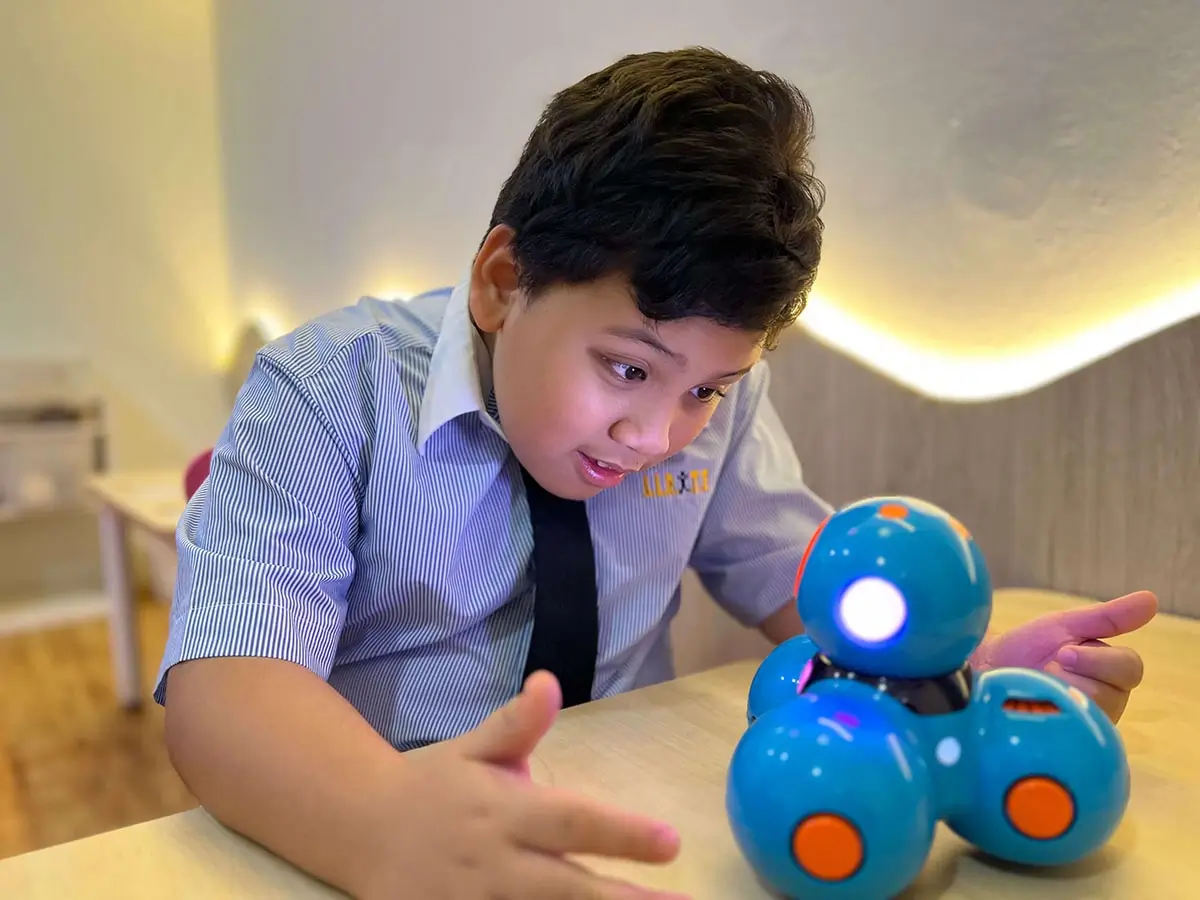
She is among the first in the region to pair structured early intervention with technology, including STEM, robotics, coding, and Augmented Reality, giving autistic learners the digital, problem-solving skills a future workforce demands.

Through the Alrite Autism Frontier Programme (AAFP), she has trained more than 350 educators across Malaysia and beyond, turning evidence-based practice into everyday classroom results.

Malaysian Book of Records, MY · 2025Excellence Award, UK · 2023
20+
Years in Autism Education
Behavior analysis & curriculum design
3,402+
Curriculum Lessons
Malaysia Book of Records, 2025
350+
Educators Trained
Certified across the AAFP framework

International Autism Education Collaboration: Nepal, 2024

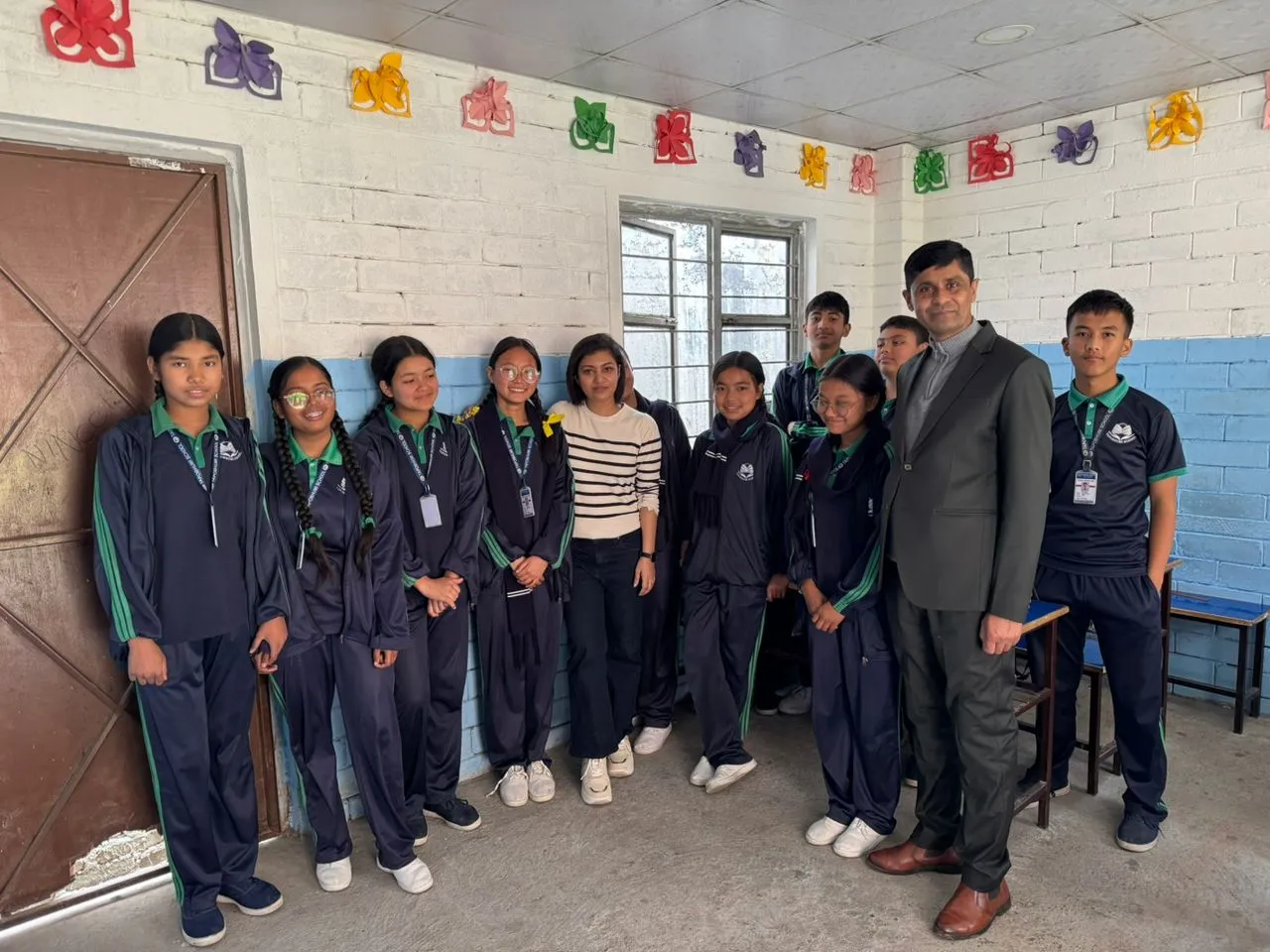
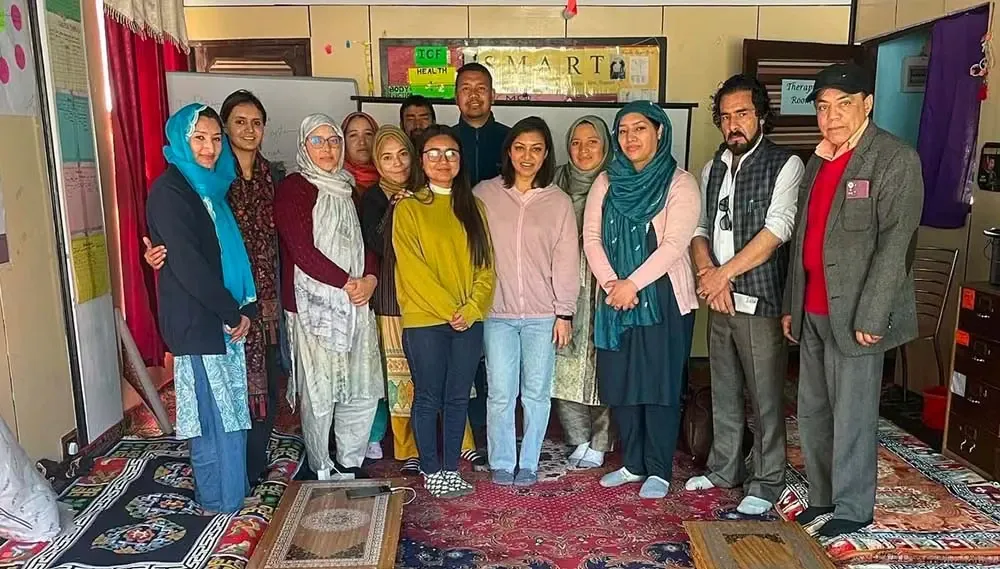
In May 2024, Mishantini Sanderasagran (Ms. Misha), Founder & Director of ALRITE Autism Centre, Malaysia, led the ALRITE team to Kathmandu, Nepal, for a 17-day Autism Pilot Programme at Nepal Autism School. The collaboration brought together educators and autism professionals from Malaysia and Nepal for knowledge exchange, observation, and practical learning in autism education and intervention.

The pilot programme explored the ALRITE Autism Frontier Programme (AAFP) and provided an opportunity for the ALRITE team to learn from the experience and teaching practices of Mr. Shekhar and Ms. Pabita of Nepal Autism School. Discussions and learning sessions covered areas including neurodevelopment, the vestibular system and anatomy, direction-based therapeutic approaches, logical reasoning, coding, and technology-supported learning.

Ms. Misha describes the experience as an important milestone in ALRITE's international journey in autism education. She particularly highlights the knowledge, dedication, and generosity of the Nepal Autism School team in sharing their expertise and inspiring ALRITE's educators to think critically about approaches to autism learning and development.

This Malaysia–Nepal autism education collaboration reflects ALRITE Autism Centre's commitment to international knowledge sharing, continuous professional learning, and the development of innovative approaches to autism education and intervention.
Watch Ms. Misha share her experience
Mishantini during the Nepal Autism Pilot Programme, sharing ALRITE practices with educators in KathmanduNepal Autism Pilot Programme, May 2024
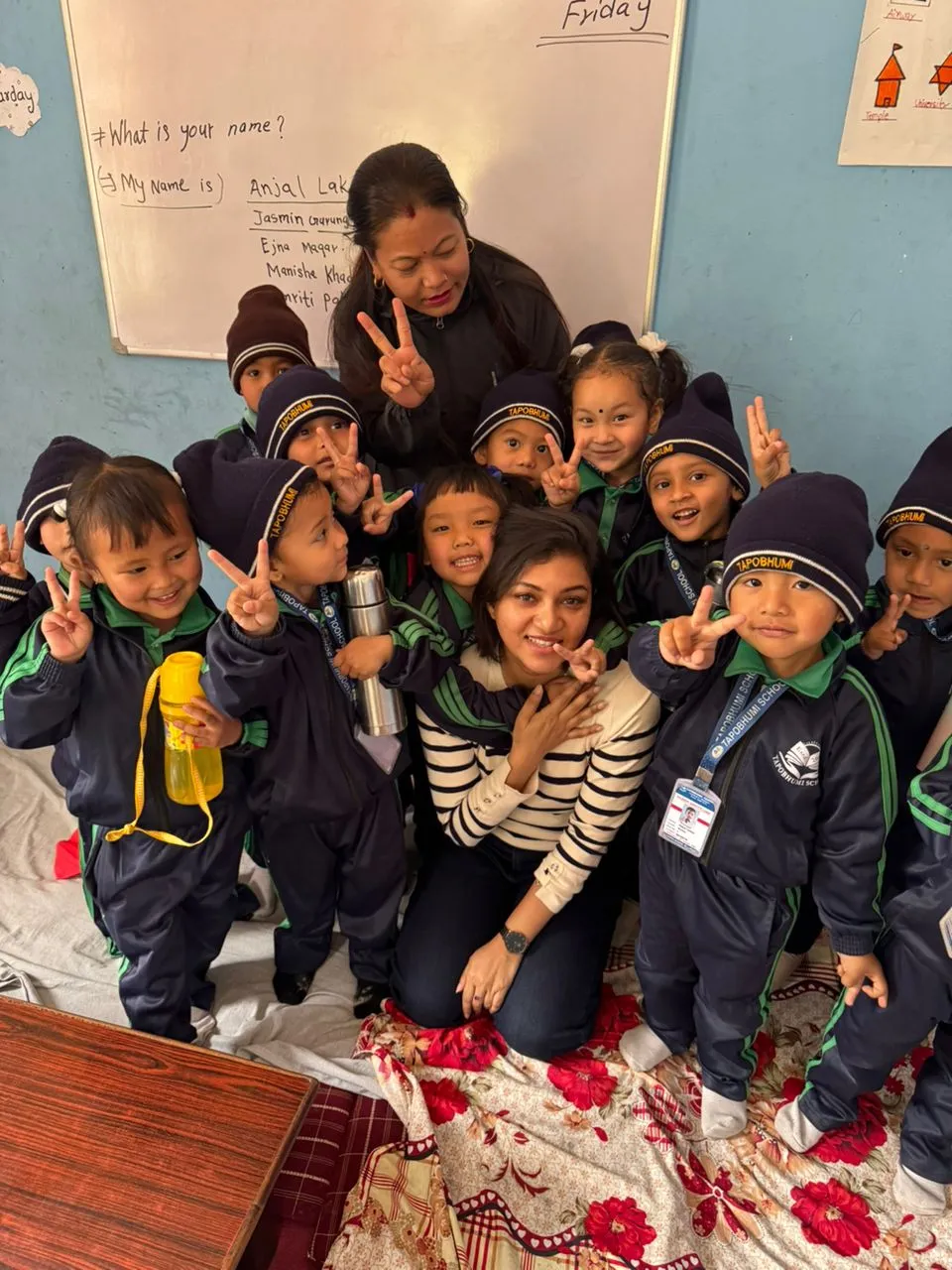
Mishantini with Nepal Autism School families during the international autism education collaborationThopubhumi School
ALRITE team in Nepal during the autism education collaborationALRITE in Nepal
Mishantini during the Nepal Autism Pilot Programme in Ladakh regionProgramme visits
Mishantini with Nepal Autism School familiesCommunity outreach

Real Children. Measurable Milestones. Independent Futures.

Every child's journey is unique, but the results speak for themselves.

Harshika testimonialCommunication & Speech Activation

Harshika

Before ALRITE

Found it challenging for the whole pre-school session and needed additional support to engage in learning activities

After ALRITE

Following three weeks of participation in the Gut Wellness Programme, she began producing single-syllable vocalizations. Over the next three years, with consistent intervention and structured educational support, she progressed significantly and is now able to read, write, sing and able to follow lead class teaching. From a non verbal child to a miniature artist with intense focus.

Adrian testimonialAttention & Social Calmness

Adrian

Before ALRITE

Non-verbal at age 3 with minimal eye contact and extreme hyperactivity.

After ALRITE

3 Years of AAFP programme, he made significant progress and is now able to speak, write, respond to questions, and requests, along with marked improvement in attention and overall engagement.

Putra testimonialMainstream School Readiness

Putra

Before ALRITE

Enrolled at the age of four, presenting as non-verbal with non-compliance, hyperactivity, and no foundational academic skills.

After ALRITE

Through an intensive AAFP Programme, he progressed from an IEP-based intervention to a structured School Readiness Programme at ALRITE. He was to read, write, and speak, and successfully transitioned into mainstream schooling in 2026.

Aziel testimonialMainstream School Readiness

Aziel

Before ALRITE

From Maldives, he was enrolled at the age of four and was presenting as a non-verbal with no foundational academic skills.

After ALRITE

Over four years in the AAFP Programme, he progressed from an Individualised Education Programme (IEP) to the School Readiness Programme at ALRITE. Throughout his intervention, he is able to communicate, engage in two way communication, read, write, and participate in structured academic learning.

Is Your Child Prepared for a Mainstream Classroom?

Answer 4 quick questions to receive a preliminary readiness assessment and custom developmental path.

Step 1 of 520% Completed

What is your child's current age group?

Frequently Asked Questions

Honest answers to the questions every parent asks, drawn from our work supporting families across Kuala Lumpur and Selangor.

Where is ALRITE located in Subang Jaya?

We are located in USJ Sentral, Subang Jaya, Selangor, easily accessible for families across Subang, USJ, Puchong, and Sunway.

We are located in USJ Sentral, Subang Jaya, Selangor, easily accessible for families across Subang, USJ, Puchong, and Sunway.

How long will it take for my child to go to school?

There is no fixed timeline — it depends on your child's developmental profile, readiness, and how consistently they attend. Most children need 6 to 24 months, while those requiring more intensive support may take 2 to 4 years or longer. Readiness is measured by progress, not by age or time spent in the programme.

Every child is different, and there is no single answer — which is actually good news. It means your child is not racing against a clock. It depends on their developmental profile, learning readiness, support needs, and the consistency of their attendance and progress across key skills.

A helpful guide by readiness level

  • 6–12 months: children who already communicate well, regulate their emotions, are reasonably independent, and show classroom-ready skills.
  • 12–24 months: children who need structured development in communication, social interaction, behaviour regulation, and early academics.
  • 2–4 years or longer: children who require more intensive, sustained support across several developmental areas.

At ALRITE, readiness is decided by measurable progress — not simply by age or how long a child has been in the programme.

Readiness looks like your child being able to

  • understand and follow classroom instructions
  • communicate functionally with teachers and peers
  • regulate their emotions and behaviour
  • pay attention and take part in group learning
  • manage everyday routines and changes
  • independently handle toileting, eating, and personal care
  • interact safely and positively with others

We formally review readiness every 3–6 months. Once your child consistently shows these skills, we begin a gradual transition — school visits, shorter attendance periods, shadow support if needed, and ongoing collaboration with the mainstream school.

How long will it take for my child to speak?

We can't promise an exact date when speech will emerge — every child's communication journey differs. What we promise is a structured, measurable plan: we assess your child's current level, set individualised goals, and review progress regularly. Our first priority is meaningful communication through gestures, pictures, AAC, sounds, or spoken words, while systematically building the foundations for speech.

We understand this question comes from a place of deep hope, and we want to be honest with you: no one can promise an exact date when speech will appear. Every child's communication journey is unique.

What we do promise is a clear, structured approach. We begin by thoroughly assessing where your child is today, set individualised goals that fit them, and review progress on a regular schedule so we can adjust as we go.

And we always work toward the definition of success that matters most first: helping your child communicate meaningfully — through gestures, pictures, AAC, sounds, or spoken words — while systematically building the foundational skills that spoken language is built on.

What age should my child start early intervention?

Start as soon as developmental concerns are noticed — you do not need to wait for a formal autism diagnosis. Support can begin in infancy or toddlerhood, and many early-intervention programmes serve children from birth to around age 6.

The earlier you start, the more opportunity your child has to build the neural foundations they need — and you do not have to wait for a formal autism diagnosis to begin. Support can start in infancy or toddlerhood, and many early-intervention programmes serve children from birth to around 6 years old.

A practical pathway at ALRITE

  • Under 2½ years: developmental screening, parent coaching, and home-based support.
  • 2½–4 years: ALRITE HomeStart™ or an appropriate early-development programme.
  • Around 3–6 years: a structured early-intervention programme based on assessment.
  • School-age: school-readiness, transition, or academic-bridging support suited to your child.

Signs that warrant an assessment

  • limited words or gestures for their age
  • not consistently responding to their name
  • reduced social engagement with others
  • difficulty following simple instructions
  • repetitive behaviours or developmental regression
  • challenges with play and daily routines

The guiding principle is simple: start early, but individualise carefully. If you're concerned, speak with your paediatrician or a qualified developmental professional and arrange an early-intervention assessment promptly.

How will I know my child's progress at ALRITE?

ALRITE documents your child's development through a structured progress-monitoring system, so you never have to wonder — you can see the learning and follow every step of the journey.

At ALRITE, your child's development is documented and shared through a structured progress-monitoring system:

  • Daily Lesson Videos — see your child’s participation, responses, and learning during lessons.
  • Monthly Progress Report — a clear overview of skills introduced, progress achieved, emerging abilities, and areas needing continued support.
  • Quarterly Evaluation Assessment — every three months, your child’s skills are formally reassessed to measure development, compare progress, and set the next priorities.

Progress is never based on observation alone — it is supported by consistent learning evidence, measurable results, and regular evaluation. You do not have to wonder whether your child is progressing. At ALRITE, you can see the learning, understand the development, and follow every step of the journey.

Is the ALRITE Programme Expensive?

ALRITE's fees reflect the level of individualised teaching and monitoring each child receives. You are not simply paying for attendance — you are investing in a structured, documented developmental journey with visible evidence and measurable progress.

ALRITE's programme fees reflect the level of individualised teaching, professional planning, daily learning documentation, and continuous progress monitoring provided for each child.

Your programme includes

  • individualised lesson planning
  • structured daily intervention
  • daily lesson videos
  • monthly progress reports
  • quarterly evaluation assessments
  • parent guidance and home-learning support
  • ongoing review of your child’s developmental goals

We understand that fees are an important consideration for every family. Our team will explain the complete fee structure clearly and help you identify the programme and payment option most appropriate for your child. At ALRITE, parents are investing in a structured developmental journey with visible evidence and measurable progress — not simply paying for attendance.

How does gut health affect my child's speech and behaviour?

The gut-brain axis directly influences sensory processing, mood, and focus. By supporting gut wellness alongside neuroplasticity exercises, we frequently see reductions in meltdowns and faster speech activation.

The gut and brain are deeply connected. An imbalanced gut can affect mood, attention, sensory regulation, and the body's readiness to focus and learn — all of which shape behaviour and speech development.

Our Gut Wellness Programme targets systemic health to create an optimal foundation for cognitive learning. Together with neuroplasticity exercises, this integrated approach frequently leads to calmer regulation, fewer meltdowns, and accelerated speech activation.

What is the Alrite Autism Frontier Programme (AAFP)?

AAFP is ALRITE's record-holding programme built on the 7-Stage ALRITE Neuroplasticity Framework. It received Malaysia Book of Records 2025 recognition for the most autism curriculum lessons by an individual, and it is the structured pathway that takes a child from foundational sensory processing to confident mainstream classroom participation.

AAFP is the full name behind the 7-stage framework you see on this page. It is a structured neuroplasticity programme that systematically builds a child's sensory processing, motor skills, communication, social, and pre-academic skills before mainstream schooling.

It is record-holding: in 2025, the Malaysia Book of Records recognised AAFP for the most autism curriculum lessons by an individual. The same programme supports more than 350 educators trained across Malaysia and 80+ students successfully transitioned into mainstream schooling.

Not ready to book yet? Drop your details and we'll reach out when we host camps, events, or special early-intervention sessions.

Receive actionable strategies on neuroplasticity, gut wellness, and sensory regulation delivered to your inbox.

0 / 50 words

Zero spam. Unsubscribe anytime. We respect your privacy.

Chat with an Intake Specialist on WhatsApp